
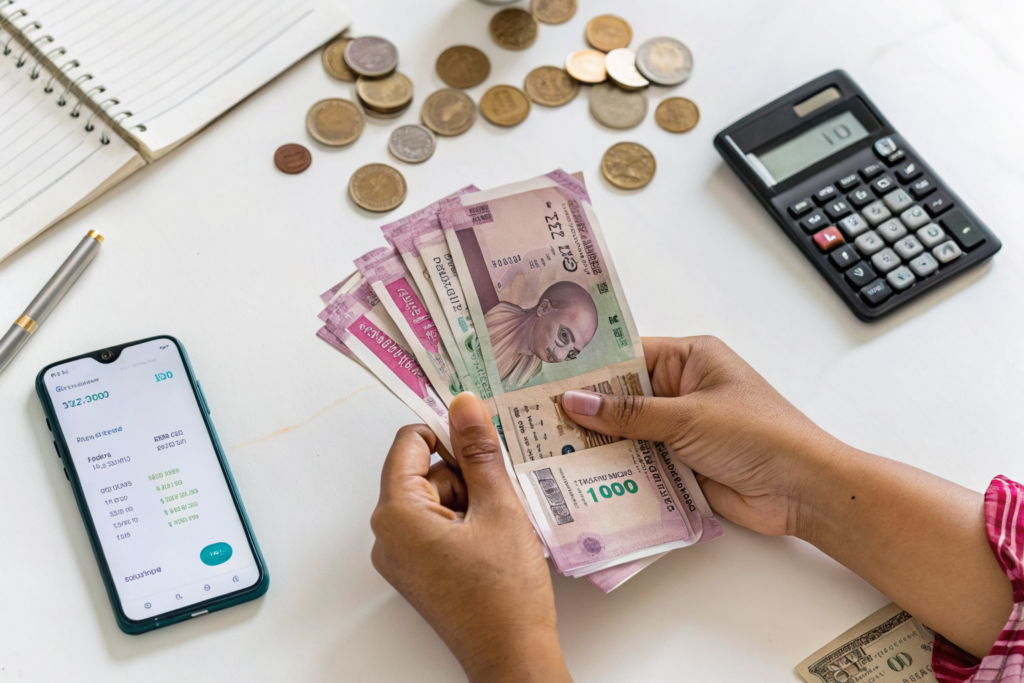
When it comes to online gambling in India, understanding withdrawal processing fees is crucial for maximizing your winnings. Different payment methods carry varying fee structures, and these costs can significantly impact your overall gambling experience. Whether you’re withdrawing ₹1,000 or ₹100,000, knowing exactly what you’ll pay in fees helps you make informed decisions about which withdrawal method to choose.
Indian players have access to numerous withdrawal options, each with distinct advantages and fee structures. From traditional bank transfers to modern digital wallets and cryptocurrency options, the landscape of withdrawal methods continues to evolve. Processing fees typically range from zero to several hundred rupees, depending on the method selected and the amount being withdrawn.
The importance of comparing withdrawal fees cannot be overstated, especially for regular players who make frequent withdrawals. Small percentage differences can accumulate to substantial amounts over time, making fee-conscious withdrawal strategies essential for serious gamblers.
Bank Transfer Withdrawal Fees
Bank transfers remain one of the most popular withdrawal methods among Indian players, offering security and reliability despite potentially higher fees. Most gambling platforms charge between ₹50 to ₹200 for bank transfers, with some operators implementing tiered fee structures based on withdrawal amounts.
Domestic bank transfers typically incur lower fees compared to international transfers. When withdrawing to Indian banks, players can expect processing fees ranging from ₹75 to ₹150 for standard transfers, while premium or instant transfer services may cost ₹200 to ₹500.
NEFT and RTGS Transfer Costs
National Electronic Funds Transfer (NEFT) and Real Time Gross Settlement (RTGS) systems offer different fee structures for withdrawals. NEFT transfers, suitable for amounts up to ₹2 lakhs, typically charge ₹50 to ₹100 in processing fees. RTGS transfers, required for larger amounts, usually cost between ₹150 to ₹300.
The timing of your withdrawal can affect fees, as some platforms offer reduced rates during off-peak hours. Weekend and holiday transfers may incur additional charges, making weekday withdrawals more cost-effective for budget-conscious players.
International Wire Transfer Charges
For players using international gambling sites, wire transfer fees can be substantially higher. International transfers typically cost between ₹500 to ₹1,500, plus potential currency conversion charges. Banks may also impose receiving fees, adding another ₹200 to ₹500 to the total cost.
Currency fluctuations can impact the final amount received, as conversion rates vary between platforms and banks. Some operators absorb currency conversion costs for high-value withdrawals, making this an important factor when choosing where to play.
E-Wallet Processing Charges
Digital wallets have revolutionized withdrawal processing in India, offering faster transactions with generally lower fees than traditional banking methods. Popular e-wallets like Paytm, PhonePe, and Skrill typically charge between ₹10 to ₹100 for withdrawals, making them attractive options for frequent players.
The convenience factor of e-wallets often justifies their fees, as most transactions complete within hours rather than days. Many platforms offer preferential rates for e-wallet withdrawals, recognizing their popularity among Indian players.
| E-Wallet Service | Processing Fee | Processing Time | Minimum Withdrawal |
|---|---|---|---|
| Paytm | ₹25-₹75 | 2-6 hours | ₹500 |
| PhonePe | ₹30-₹80 | 1-4 hours | ₹400 |
| Skrill | ₹45-₹125 | 30 minutes-2 hours | ₹750 |
| Neteller | ₹50-₹150 | 1-3 hours | ₹1000 |
| Google Pay | ₹20-₹60 | 1-5 hours | ₹300 |
Domestic vs International E-Wallet Fees
Domestic e-wallet services generally offer the most competitive fees for Indian players. Services like Paytm and Google Pay typically charge flat fees between ₹20 to ₹75, regardless of withdrawal amount. This makes them particularly attractive for smaller withdrawals where percentage-based fees would be disproportionate.
International e-wallets like Skrill and Neteller may charge higher fees but offer broader compatibility with global gambling platforms. These services often implement percentage-based fee structures, typically ranging from 1.45% to 2.9% of the withdrawal amount, with minimum and maximum fee caps.
Credit and Debit Card Withdrawal Fees
Card-based withdrawals present unique fee structures that vary significantly between issuers and gambling platforms. Most debit card withdrawals incur fees between ₹100 to ₹300, while credit card withdrawals may face additional cash advance charges imposed by the card issuer.
Processing times for card withdrawals typically range from 3 to 7 business days, with fees often justified by the additional security measures and fraud protection offered. Some premium cards offer reduced or waived withdrawal fees as part of their benefit packages.
Visa and Mastercard Processing Rates
Visa card withdrawals generally cost between ₹125 to ₹275 per transaction, with some platforms offering tiered pricing based on card type. Platinum and premium cards may qualify for reduced fees or priority processing, making them advantageous for high-volume players.
Mastercard withdrawals follow similar fee structures, typically ranging from ₹100 to ₹250 per transaction. The specific fees depend on the issuing bank’s relationship with the gambling platform and the card’s classification level.
RuPay Card Withdrawal Costs
RuPay cards, being India’s domestic card network, often offer competitive withdrawal fees for local transactions. Fees typically range from ₹75 to ₹200, making them cost-effective options for players prioritizing lower processing costs.
However, RuPay card compatibility with international gambling platforms may be limited, potentially restricting player options. The growing acceptance of RuPay cards in the online gambling sector continues to improve accessibility for Indian players.
Cryptocurrency Withdrawal Costs
Cryptocurrency withdrawals represent the emerging frontier of online gambling transactions, offering unique fee structures based on network conditions rather than traditional percentage models. Bitcoin withdrawals typically cost between ₹150 to ₹800, depending on network congestion and the urgency of the transaction.
The volatility of cryptocurrency values can impact effective withdrawal costs, as fees are usually calculated in the native cryptocurrency before conversion to rupees. This creates both opportunities and risks for players using digital currencies.
- Bitcoin withdrawals: ₹200-₹1,200 depending on network fees and transaction priority
- Ethereum transactions: ₹300-₹2,000 based on gas prices and network congestion
- Litecoin transfers: ₹50-₹300 offering faster processing with lower fees
- Ripple (XRP) withdrawals: ₹25-₹150 providing some of the lowest transaction costs
- Tether (USDT) transactions: ₹200-₹800 offering price stability with moderate fees
- Bitcoin Cash withdrawals: ₹100-₹500 balancing speed and cost-effectiveness
Network Fee Variations
Cryptocurrency network fees fluctuate based on network congestion and transaction priority. During peak usage periods, Bitcoin withdrawal fees can exceed ₹1,000, while off-peak times may see fees drop below ₹200. Understanding these patterns helps players time their withdrawals for optimal cost efficiency.
Some gambling platforms absorb network fees for large withdrawals or VIP players, making cryptocurrency withdrawals more attractive for high-volume transactions. The transparency of blockchain networks allows players to track their transactions and verify fee calculations independently.
UPI and Digital Payment Fees
Unified Payments Interface (UPI) has transformed digital payments in India, offering near-instantaneous transfers with minimal fees. Most gambling platforms charge between ₹15 to ₹100 for UPI withdrawals, making it one of the most cost-effective options for Indian players.
The widespread adoption of UPI across Indian banks and financial institutions ensures broad compatibility and competitive pricing. Many platforms offer promotional rates or fee waivers for UPI withdrawals to encourage adoption of this efficient payment method.
| Withdrawal Amount | UPI Fee | Bank Transfer Fee | E-Wallet Fee |
|---|---|---|---|
| ₹1,000-₹5,000 | ₹15-₹35 | ₹75-₹125 | ₹25-₹60 |
| ₹5,001-₹25,000 | ₹35-₹75 | ₹100-₹200 | ₹50-₹125 |
| ₹25,001-₹50,000 | ₹75-₹150 | ₹150-₹300 | ₹100-₹200 |
| ₹50,001+ | ₹150-₹250 | ₹200-₹500 | ₹150-₹350 |
IMPS and Other Instant Payment Options
Immediate Payment Service (IMPS) offers 24/7 instant transfers with fees typically ranging from ₹25 to ₹125. The round-the-clock availability makes IMPS attractive for players who need immediate access to their winnings, despite slightly higher fees compared to UPI.
Other instant payment options like FastTag wallets and mobile banking transfers provide alternative fee structures. These services often charge flat fees between ₹50 to ₹150, making them suitable for medium-sized withdrawals where speed is prioritized over cost minimization.
Fee Comparison and Best Value Options
Choosing the optimal withdrawal method requires careful consideration of fees, processing times, and convenience factors. For small withdrawals under ₹5,000, UPI and domestic e-wallets typically offer the best value with fees under ₹75. Medium withdrawals between ₹5,000 to ₹25,000 benefit from UPI or bank transfers, depending on urgency requirements.
Large withdrawals exceeding ₹50,000 may justify higher absolute fees if they represent lower percentage costs. Premium withdrawal methods might offer better value for high-volume players through reduced percentage rates or VIP fee structures.
Cost-Effective Withdrawal Strategies
Timing withdrawals strategically can significantly reduce overall fees. Consolidating smaller amounts into larger withdrawals often reduces the total fee burden, as many methods charge flat fees regardless of amount. Weekly or monthly withdrawal schedules typically prove more cost-effective than daily transactions.
Understanding fee structures helps players choose appropriate methods for different situations. UPI for urgent small amounts, bank transfers for large sums, and e-wallets for regular medium withdrawals create a balanced approach to fee management.